


 8 Min
8 Min In In-depth

Follow this topic

Bookmark

Record learning outcomes
Scroll through social media for more than a few minutes and it won’t be long before you’re promised a “natural” shortcut to weight loss. From berberine being dubbed ‘nature’s Ozempic’ to apple cider vinegar shots, cortisol-lowering tonics and intermittent fasting protocols packaged as ‘metabolic resets’, the messaging is slick, persuasive and everywhere.
But behind the hashtags and testimonials, the reality is sometimes different. While some of these approaches do have a basis in physiology and may offer modest benefits when used alongside broader lifestyle changes, others take small, often poorly understood effects and inflate them into bold claims that don’t stand up to scrutiny. Some are backed by very little meaningful evidence at all.
Common myths and misunderstandings
You may be asked about some of the natural weight loss products and methods currently being promoted on social media. These include:
Some that are evidence-backed – but not a magic bullet:
- High protein intake to increase satiety
- Calorie control (in any form)
- Fibre intake to increase fullness
- Physical activity and sleep.
Some that are plausible but modest:
- Berberine, which claims to aid appetite suppression, fat loss and blood sugar control
- Green tea extract, to boost metabolism and burn fat
- Intermittent fasting to reduce calorie intake.
And some that are hype or have been debunked:
- Apple cider vinegar, which falsely promises dramatic fat loss
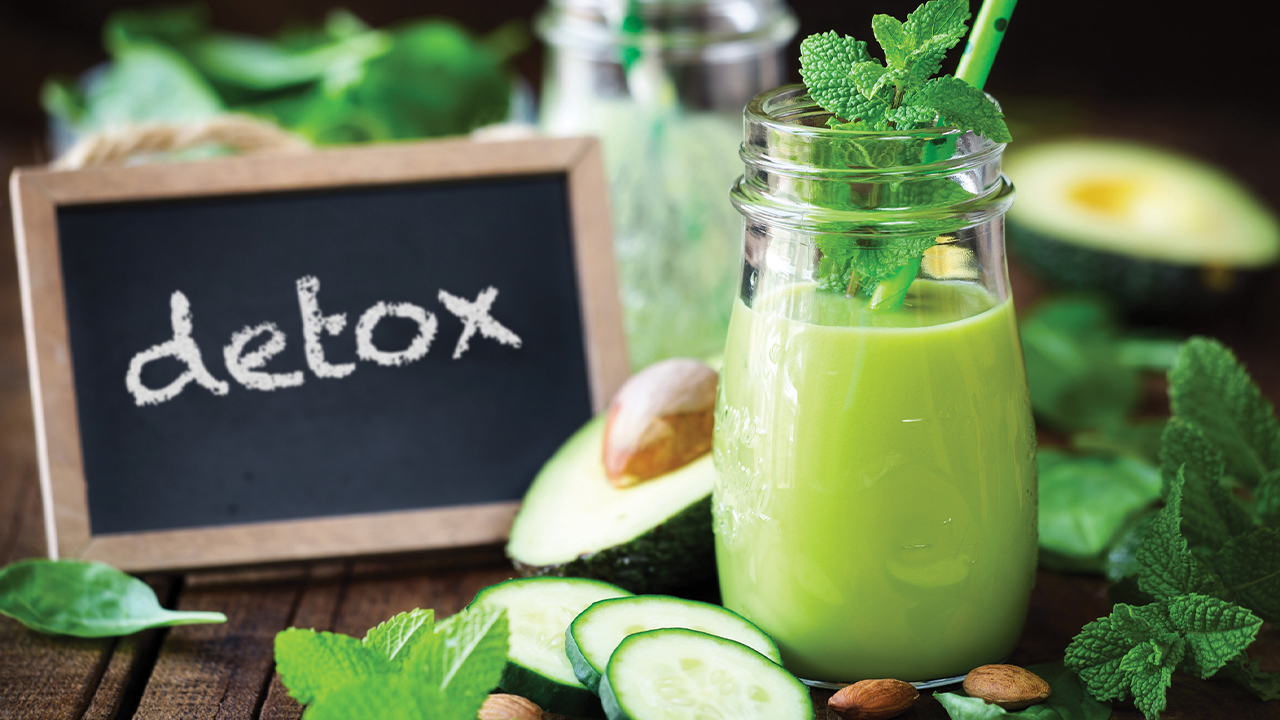
- Detoxes and ‘resets’ which claim to ‘fix metabolism’ in days
- Cortisol-targeting supplements, which have no evidence to support claims that they directly cause fat loss.
Clear advice
This framing of ‘natural’ weight-loss products is powerful because it trades on three ideas at once: that natural means safer, that quick fixes can bypass the hard parts of weight management, and that prescription medicines are somehow ‘unnatural’ or excessive.
Mike Wakeman, a clinical pharmacist and formulator of Evera Nutrition, says part of the appeal is understandable. “Highly effective prescription weight loss injections such as semaglutide and tirzepatide have demonstrated significant, clinically meaningful weight loss in trials – far beyond what most other effective approaches can achieve in the same time,” says Mike. “But these medications are expensive when legitimately purchased, prescription-only, not suitable for everyone, associated with side effects and accessed through structured clinical pathways.
“As a result, many patients look for alternatives that feel more accessible, affordable or ‘natural’ – even if those alternatives are less rapidly effective. This creates a new challenge for pharmacy teams in helping patients navigate the gap between online hype, OTC products, and clinically approved treatments.”
“Drinking apple cider vinegar is the classic example of an idea that is weakly evidenced”
What works, and what doesn’t…
With community pharmacy teams increasingly being the first place patients turn to for clarity, Mike breaks down what works, and what pharmacy teams should advise customers to think twice about.
“Firstly,” says Mike, “there are strategies that are evidence-backed, such as diets high in protein and fibre; calorie control in various forms; exercise, and sleep improvement – and these do have plausible and evidence-based roles in weight management.
“Higher protein intake can help preserve lean mass during weight loss, fibre can improve satiety and modestly support weight control, and regular physical activity improves cardiometabolic health and helps with weight maintenance. However, patients often encounter these repackaged as ‘metabolic hacks’, when in reality they are simply the foundations of weight management. Sleep matters too. Poor sleep is associated with overeating behaviours and obesity risk, even though sleep alone is not a weight loss treatment.”
Plausible but modest
Next, we come to the ‘plausible but modest’ category. “Berberine sits here,” says Mike. “It is often marketed as ‘nature’s Ozempic’ but that comparison is a little bit misleading when it’s used as a single ingredient.
“Meta-analyses suggest berberine may produce improvements in weight, BMI and waist circumference, but the evidence is not near the scale, consistency or regulatory standard of licensed anti-obesity medicines. It also is not risk-free.
“At high doses, gastrointestinal adverse effects are common and possible interactions with medicines have been proposed.”
Green tea extract also belongs in this category, says Mike. “Some reviews show effects on body weight or body fat, but the benefits are limited and not dependable enough to recommend it as a meaningful weight loss tool on its own,” he says. “More importantly, excessive intakes of highly concentrated green tea extract supplements have been linked to occasional liver injury.”
When it comes to intermittent fasting, Mike says it is best described as a dietary pattern, not a metabolic reset: “Evidence suggests it can help some people lose weight, but overall, it performs similarly to conventional continuous calorie restriction rather than dramatically outperforming it.
“If it triggers bingeing, headaches, dizziness or poor adherence, it is not the right fit.”
Other options are fibre-based and multi-ingredient supplements. “These kinds of new OTC supplements combine ingredients rather than including single compounds,” explains Mike. “This means they are designed to increase satiety (e.g. glucomannan, a soluble fibre), influence glucose metabolism (e.g. berberine, chromium), and affect appetite-related pathways. They also include vitamins and minerals to compensate for any micronutrient deficits which might occur as a result of reduced food intake”.
Mostly hype
Drinking apple cider vinegar is the classic example of an idea that is weakly evidenced. “There are small studies suggesting possible effects on weight and metabolic markers, but the evidence base is still too small and uncertain to support the confident claims seen online,” says Mike. “Plus, regular acidic ‘shots’ may cause dental erosion and gastrointestinal irritation.”
Detoxes and ‘resets’ are even easier to debunk. “There is very little good clinical evidence that detox diets remove toxins or produce meaningful, sustained weight loss,” says Mike. “Indeed, the British Dietetic Association is blunt that detox claims are exaggerated and not based on robust science. In most cases, any short-term weight change is down to fluid loss, glycogen depletion, or simply eating less for a few days.”
Similarly, Mike believes that cortisol-targeting supplements deserve particular caution because they often lean on the pseudo medical idea of ‘adrenal fatigue’. “The Endocrine Society states that adrenal fatigue is not a recognised medical diagnosis and warns that there is little evidence to support the use of supplements sold for adrenal health,” he advises.
When to refer
Rather than positioning natural versus non-natural (medical) weight loss, it is more helpful for pharmacy teams to frame weight management as a spectrum that is built on lifestyle foundations, behavioural support (such as NHS apps) and pharmacological and/or nutritional options where appropriate. Customers can be signposted to useful websites such as NHS Better Health.
Customers should be referred to the pharmacist if they may be eligible for prescription weight management treatments, if they have obesity-related problems such as type 2 diabetes or hypertension, or if an eating disorder is suspected.
By helping patients understand the weight loss landscape, pharmacy teams can support safer choices and more realistic expectations, while maintaining the focus on long-term health.
Scenario
Pharmacy team member Alex is approached by customer Kam, asking for advice about juice cleanses for weight loss.
Kam: Hi, I’m hoping you can help me. I’ve seen online that juice cleanses are actually more effective for weight loss than injections like Wegovy and Ozempic. I’m thinking of giving one a go. What do you think?
Alex: Thanks for coming in to ask. You’re right that there’s a lot online about natural alternatives at the moment – it can be hard to know what to make of it all. Can I ask, what have you heard about how they work? And what are you hoping they will do for you?
Kam: Well, the idea is you drink only fruit and vegetable juices for several days. It apparently detoxes your system and people are saying the weight just drops off.
Alex: I can see why that sounds appealing, but it’s really important to understand what’s actually happening there. Any kind of rapid weight loss in a short space of time isn’t fat loss – it’s mostly water and glycogen, which is the stored carbohydrate your body holds onto for energy. Once you go back to eating normally, that weight tends to return quickly. In fact, the restriction can sometimes trigger rebound eating, where people end up consuming more than before, which can leave you worse off than when you started.
Kam: Oh, I hadn’t thought about it like that. But surely they still have some benefits?
Alex: Some of these products may have modest effects as part of a broader healthy routine, but they’re not comparable to medicines like GLP-1 treatments, which have been studied in large clinical trials involving thousands of patients over years. That’s a very different level of evidence. So if something is being talked about online as working just as well as a prescription treatment, but without that same evidence behind it, I would be being cautious.
Kam: That’s fair enough. I suppose I worry a bit about the medical route as it feels quite serious.
Alex: That’s a completely understandable concern, and it’s good that you’re thinking it through. The strongest evidence we have is still for sustainable lifestyle changes you can actually stick to long-term, alongside any appropriate licensed treatment. We can absolutely look at options that are safe and realistic for you. There’s no one-size-fits-all answer, and the goal is finding something that works for your life.
Kam: That sounds much more reassuring, honestly. Yes, I’d really like that.
Alex: Great. Let’s find a quiet spot and have a proper chat about what might suit you best.

Share:


In In-depth